The Most Unique Hostels in South America You Must Stay At
South America has long been a destination for travelers seeking diverse landscapes, rich cultural heritage, and a sense of adventure. Accommodation choices across the continent reflect this diversity, with hostels evolving from simple dormitory rooms into thoughtfully designed spaces that encourage connection and exploration. For those looking to balance affordability with a memorable atmosphere, the hostels in Peru, Colombia, and Argentina offer distinctive characteristics that set them apart from standard lodging options.
These hostels are not merely places to sleep; they often become part of the travel experience itself. From restored colonial mansions to eco-friendly retreats in the mountains, each property incorporates local design elements, community activities, and a focus on sustainability. Understanding what makes a hostel unique involves looking at its architecture, the activities it organizes, and how it integrates with the surrounding environment. The following sections highlight some of the most distinctive hostels in three South American countries, each chosen for their ability to provide an authentic and affordable stay.
Peru: Historic Mansions and Eco-Conscious Retreats
In Peru, the hostel scene reflects the country's layered history, blending Inca influences with Spanish colonial architecture and modern eco-construction. One notable example is a property housed in a restored 19th-century mansion in Cusco, where high ceilings, original stone walls, and a central courtyard create an atmosphere that transports guests to another era. The hostel organizes walking tours to nearby archaeological sites and offers communal cooking classes using local ingredients, allowing guests to engage with Peruvian culture in a hands-on way.
Another distinctive option lies in the Sacred Valley, where a hostel built primarily from adobe and reclaimed wood sits amidst terraced fields. This property runs on solar energy and collects rainwater for irrigation. Guests can participate in volunteer activities such as planting native trees or helping with a community garden, fostering a deeper connection to the region's agricultural traditions. Both hostels emphasize cultural exchange over mere tourism, and their rates remain accessible compared to standard hotels in the area.
Colombia: Colorful Spaces and Coffee Farm Stays
Colombia's hostels often celebrate the country's vibrant artistic traditions and natural abundance. In the coffee region, a hostel operating on an active coffee farm allows travelers to follow the process from bean to cup. Accommodations are simple but comfortable, with open-air common areas that overlook the green hills. Guests can join daily tours that explain the harvesting and roasting methods, and the proceeds help support the farm's community programs.
In Cartagena, a colonial building in the old city has been converted into a hostel where every room is painted by a different local artist. The walls feature murals that depict scenes from Caribbean folklore, and the interior courtyard contains a small gallery that rotates exhibits monthly. The hostel also works with neighborhood cooperatives to source breakfast ingredients, ensuring that the economic impact of tourism remains within the community. These characteristics make the hostel a hub for creative exchange rather than just a convenient stopover.
Argentina: Urban Design and Patagonian Wilderness
Argentina offers a contrast between cosmopolitan hostels in Buenos Aires and rustic lodges in Patagonia. In the capital, a hostel in the Palermo Soho district occupies a former factory building, retaining its industrial beams and exposed brickwork. The interior combines minimalist Scandinavian furniture with handcrafted Argentine leather pieces, creating a space that feels both curated and welcoming. The hostel prides itself on a robust social program, including tango lessons led by local instructors and weekend asados, or barbecues, in the rooftop garden.
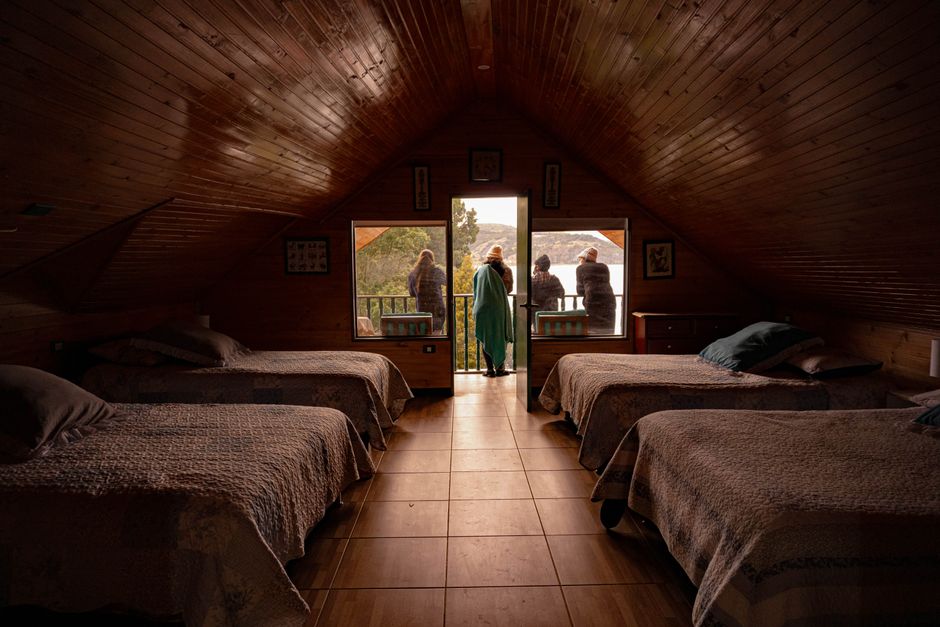
Further south, in El Chaltén, hostels take on a different character. One lodge-style hostel uses sustainable materials and local stone in its construction, situated close to trailheads for Fitz Roy and Cerro Torre. The common room contains maps and gear storage, and the staff are trained mountaineers who provide up-to-date weather information and safety tips. The property operates a zero-waste policy, composting organic waste and using biodegradable cleaning products. For hikers, this hostel offers a practical base that respects the fragile Patagonian environment.
How These Hostels Foster Authentic Local Experiences
The hostels mentioned above share a commitment to integrating travelers into local life rather than isolating them in a tourist bubble. They often partner with nearby artisans, farmers, or guides to offer workshops, cooking classes, or excursions that go beyond standard sightseeing. Such programming not only enhances the guest's understanding of the region but also channels tourist spending directly into the local economy.
Additionally, many of these properties prioritize sustainable practices, such as using renewable energy, reducing single-use plastics, and offering incentives for guests who reuse towels or participate in clean-up drives. By staying in accommodations that emphasize these values, travelers can support a form of tourism that respects both cultural heritage and natural resources. The affordability of these hostels—typically costing a fraction of a mid-range hotel—further democratizes access to unique travel experiences for a broad range of visitors.
Choosing a hostel based on its design, community impact, and location can transform a simple overnight stay into a meaningful part of a trip. The most memorable accommodations in South America are often those that reflect the character of their surroundings and invite guests to participate in daily life.
Ultimately, the appeal of staying in one of these distinctive hostels lies in the balance they strike between comfort and authenticity. They provide the essential services of a budget accommodation while adding layers of context that deepen a traveler's appreciation for the destination. Whether it is learning to prepare ceviche in Peru, sipping coffee on a Colombian farm, or hiking through Patagonia with knowledgeable guides, each hostel offers a gateway to experiences that are difficult to replicate elsewhere.