A Complete Guide to Backpacking Through Vietnam on a Shoestring
Backpacking through Vietnam offers an opportunity to explore vibrant cities, serene countryside, and dramatic coastlines without requiring a large travel budget. The country’s well-developed tourism infrastructure, affordable public transport, and low cost of living make it a popular destination for travelers seeking to stretch their funds. This guide outlines practical approaches to planning a shoestring trip, focusing on common routes, budget-friendly lodging, and everyday food expenses. The information is based on general travel patterns and does not guarantee specific savings, as costs vary by season, location, and personal choices.
Vietnam stretches over 1,600 kilometers from north to south, and many backpackers choose to travel either from Hanoi to Ho Chi Minh City or in reverse. This linear route allows for a gradual exploration of the country’s diverse regions. Along the way, travelers encounter a mix of bustling urban centers, historic sites, and natural landscapes. Understanding the general structure of this route helps in planning daily travel distances and allocating time for stops that align with personal interests.
Accommodation and food represent the two largest variable expenses for a shoestring traveler. By selecting dormitory beds in hostels or budget guesthouses, and by eating at local markets or street stalls, a daily budget of $15 to $25 is often achievable. This range depends on factors such as location, season, and the traveler’s willingness to adapt to local conditions. The following sections break down specific elements of route planning, accommodation choices, and food costs with an emphasis on transparency and practical decision-making.
Understanding the Classic Backpacking Route
The most commonly traveled path in Vietnam connects Hanoi in the north with Ho Chi Minh City in the south. This route covers approximately 1,700 kilometers and typically takes three to four weeks if traveling at a moderate pace. Key stops along the way include the limestone karsts of Ha Long Bay, the ancient town of Hoi An, the coastal city of Da Nang, and the historical landmarks of Hue. Further south, the highlands around Da Lat and the waterways of the Mekong Delta offer additional layers of cultural and natural diversity.
Travelers may choose to move by bus, train, or a combination of both. Open-tour bus services are popular among budget backpackers because they offer flexible tickets that allow passengers to hop on and off at preselected destinations. Trains, particularly the Reunification Express, provide a slower but more comfortable option with sleeper cabins for longer overnight segments. The choice between bus and train often depends on cost, time, and personal tolerance for ride comfort. Buses are generally cheaper, while trains offer more space and the ability to move around during the journey.
Some travelers modify the classic route by adding side trips to less frequented areas such as the northern mountains near Sapa or the remote islands of Phu Quoc. These detours may require additional time and sometimes higher transport costs, but they provide opportunities for unique experiences. When planning a route, it is helpful to consider the time available, the desired pace, and the willingness to adjust plans based on weather or personal preferences. Flexibility is a common feature of budget travel, and many routes can be adapted without significant financial impact.
Budget Accommodation Options Across Vietnam
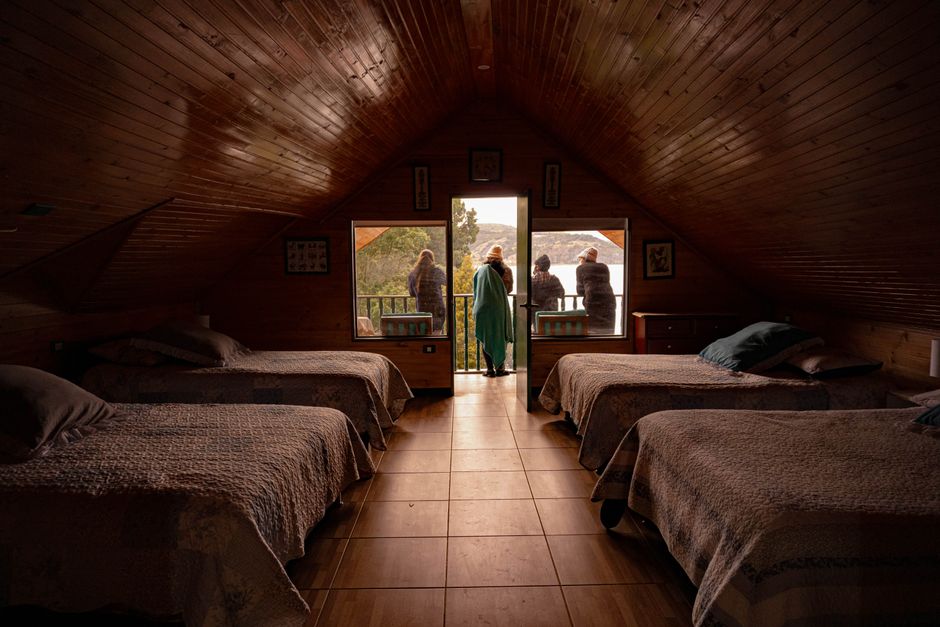
Accommodation choices significantly influence overall trip costs. In major cities and tourist hubs, hostels offering dormitory beds are widely available, with prices typically ranging from $4 to $8 per night. Private rooms in budget guesthouses or mini-hotels start at around $10 to $15, depending on the location and season. Homestays, particularly in rural areas or smaller towns, can provide a more immersive experience at similar or slightly higher rates. These options often include meals, which may reduce daily food expenses.
Booking platforms and local walk-in rates both have advantages. Online reservations offer convenience and the ability to compare options, while walk-in negotiations sometimes yield lower prices, especially in less busy periods. Travelers should be aware that prices can fluctuate during holidays or peak seasons, such as Tet (Vietnamese New Year) or summer months. It is advisable to check cancellation policies and read recent reviews when booking ahead, particularly for smaller establishments that may not maintain consistent standards.
For those willing to sleep in dormitories or shared rooms, hostels often provide communal kitchens, laundry services, and common areas where travelers can exchange tips. Some hostels also organize free or low-cost walking tours, which can further reduce sightseeing expenses. In contrast, private rooms offer more privacy but may cost two to three times as much as a dorm bed. The decision between shared and private accommodation depends on individual comfort levels and budget priorities. Many backpackers mix both types over the course of their trip to balance cost and rest.
Food Costs and Eating Like a Local
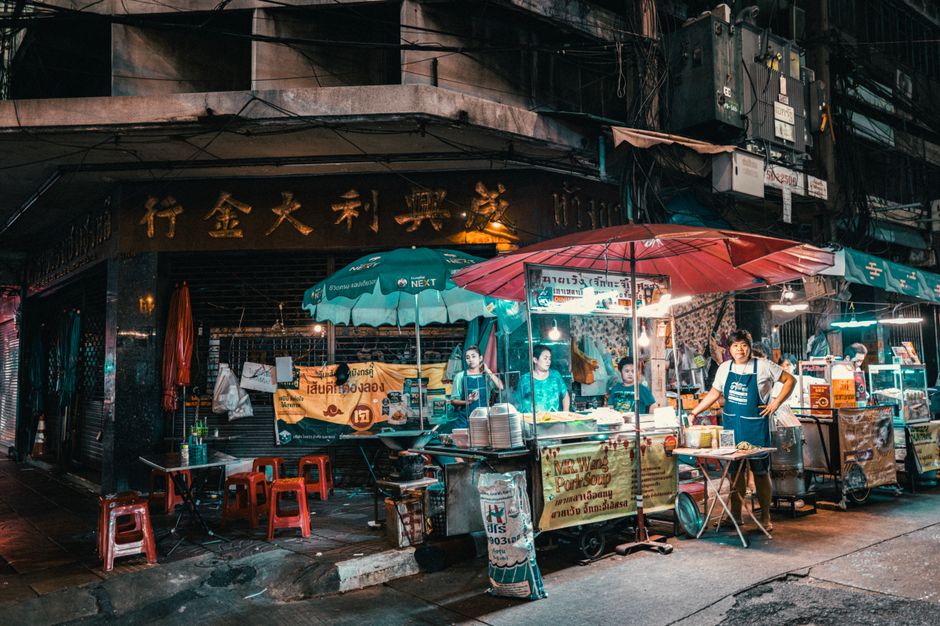
Food is one of the most affordable aspects of travel in Vietnam. Street food stalls, local markets, and small family-run eateries serve freshly prepared dishes for $1 to $3 per meal. Popular options include pho (noodle soup), banh mi (baguette sandwich), com tam (broken rice), and fresh spring rolls. These staples are widely available and vary regionally, offering travelers a chance to sample local specialties without spending much.
Sit-down restaurants in tourist areas may charge slightly more, often $3 to $6 for a main course. In larger cities like Hanoi and Ho Chi Minh City, a meal at a mid-range restaurant might cost $5 to $8, but for a shoestring budget, sticking to street food and market stalls is a practical approach. Many travelers find that three meals a day plus snacks can be covered for $6 to $10, though this range depends on appetite and location. For example, seafood in coastal towns may be pricier, while vegetarian options in urban centers are generally affordable.
Hydration is another cost consideration. Bottled water is cheap, typically $0.20 to $0.50 per liter, but carrying a reusable water bottle and using filtered water stations can reduce both expense and plastic waste. Fresh fruit, smoothies, and coffee are also inexpensive and widely available. Budget travelers often learn to navigate local markets to buy ingredients for simple meals if they have access to a kitchen at their accommodation. This approach can lower daily food costs further, though it requires planning and access to cooking facilities.
Transportation and Getting Around
Getting between cities in Vietnam can be done by bus, train, domestic flight, or motorbike. For shoestring travelers, buses are the most economical option. Sleeper buses, which recline nearly flat, are common for overnight journeys and cost between $5 and $15 depending on distance. Local buses within cities are very cheap, often under $1 per ride, but routes can be confusing for newcomers. Ride-hailing apps like Grab are widely used in urban areas and offer reasonable fares for short distances.
Trains are slightly more expensive than buses but provide a different travel experience. A hard seat on a short route may cost $3 to $5, while a soft sleeper on an overnight trip might range from $15 to $30. Booking train tickets in advance is recommended, especially during peak travel periods. Some travelers choose to rent a motorbike for longer stretches, which gives flexibility but comes with risks, such as traffic conditions and mechanical issues. Motorbike rental fees are typically $5 to $10 per day, excluding fuel and insurance.
Domestic flights can be surprisingly affordable, with budget airlines offering fares as low as $20 to $40 for one-way tickets between major cities. However, factoring in airport transfer costs and baggage fees may narrow the price difference with ground transport. For a shoestring itinerary, flights are best reserved for very long distances, such as from Hanoi to Ho Chi Minh City, or when time is limited. Overall, transportation costs can be minimized by combining night buses (saving on accommodation) and by selecting slower but cheaper options.
Daily Budgeting and Practical Tips
Creating a realistic daily budget helps travelers manage their funds without constant calculation. A sample breakdown for a shoestring backpacker might include $5 for dorm accommodation, $8 for food, $3 for local transport, and $2 for incidentals like water, snacks, or entrance fees. This totals $18 per day, leaving room for occasional higher-cost activities such as guided tours or museum tickets. However, these figures are illustrative and depend on individual choices and regional price variations.
Entrance fees to major attractions, such as the Imperial City in Hue or the War Remnants Museum in Ho Chi Minh City, are usually $1 to $5. Some sites offer student or youth discounts, so carrying a valid student ID may be beneficial. Free activities, such as walking through neighborhoods, visiting local markets, or exploring public parks, are abundant and provide a deeper understanding of daily life in Vietnam. Many travelers also participate in free walking tours offered by local guides, which operate on a tip-based system.
Health and safety considerations also affect budgeting. Travel insurance, though not mandatory, is advisable for covering medical emergencies or trip disruptions. A basic policy can cost $30 to $60 per month, depending on coverage levels. Vaccinations and medications, such as those for malaria or traveler’s diarrhea, should be researched before departure. Budgeting for these preventive measures contributes to a more secure travel experience. In addition, carrying a small emergency fund of $100 to $200 provides a cushion for unexpected situations, such as sudden transport changes or minor injuries.
Ultimately, backpacking through Vietnam on a shoestring involves balancing cost-saving strategies with personal comfort and safety. The country’s infrastructure supports flexible, low-cost travel, and many backpackers find that their budget stretches further than expected. By considering routes, accommodation types, food choices, and transportation methods, travelers can design a journey that aligns with their financial constraints while still allowing for meaningful exploration.